
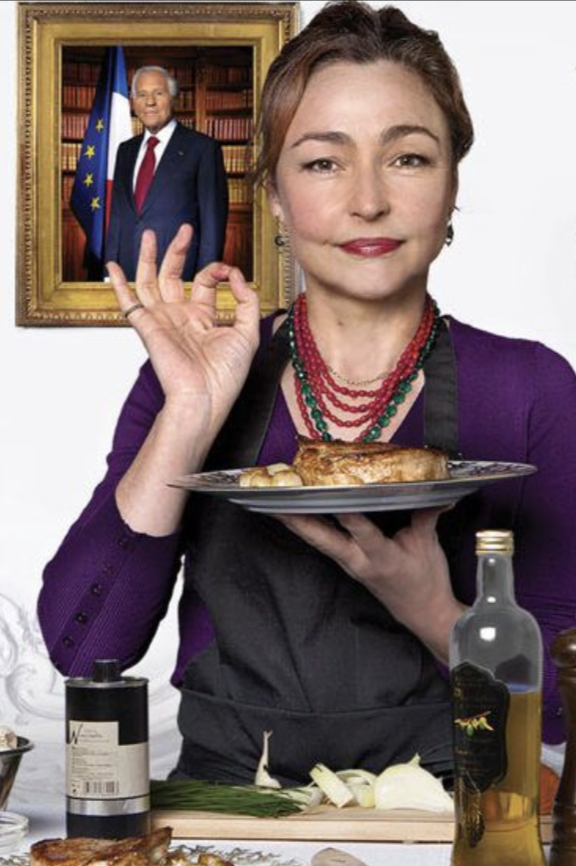
Haute Cuisine is a film that portrays a true story based on the life of Danièle Mazet-Delpeuch and how she was appointed as the private chef for French President, François Mitterrand.
The film jumps between the two different settings of Hortense working as the head chef for Crozet Island workers in Antarctica and as the President’s personal cook at the Élysée Palace. From these two different situations we get to understand the contrast of how demanding it was for Hortense during her time at the Palace.
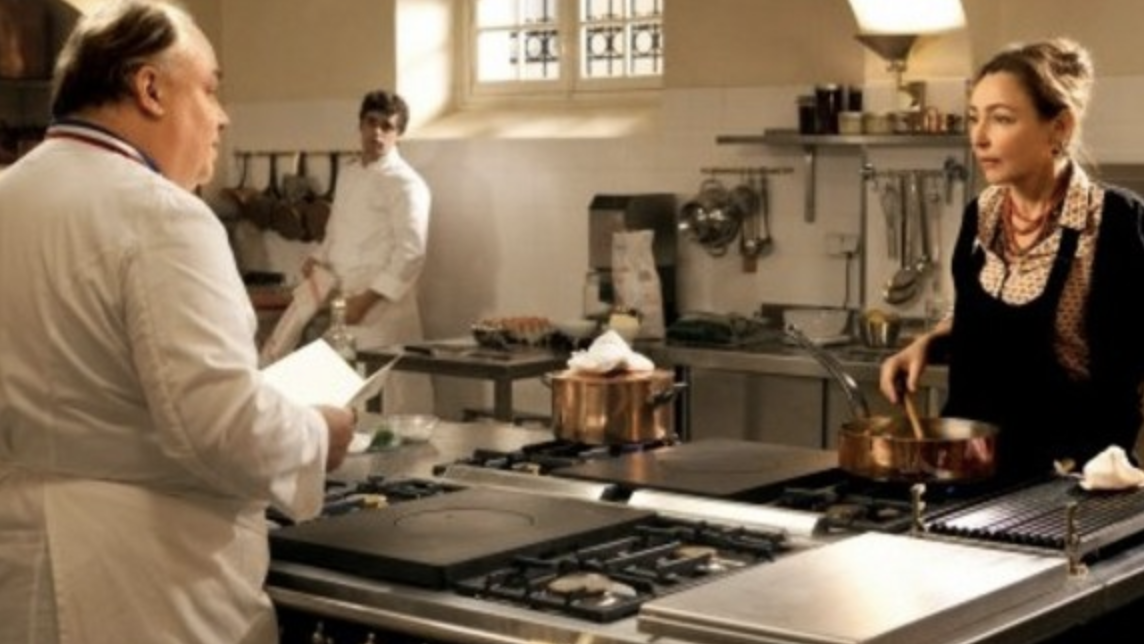
The biggest message I received from the film, was the idea of gendered inequality within the work force. The film constantly showed Hortense’s struggle between the arrogant male chefs in the main kitchen compared to her friendly relationship with the President. Through Hortense’s cooking of simple, authentic dishes with the use of ingredients from local producers beaming with strong regional identity, she eventually won over the President.
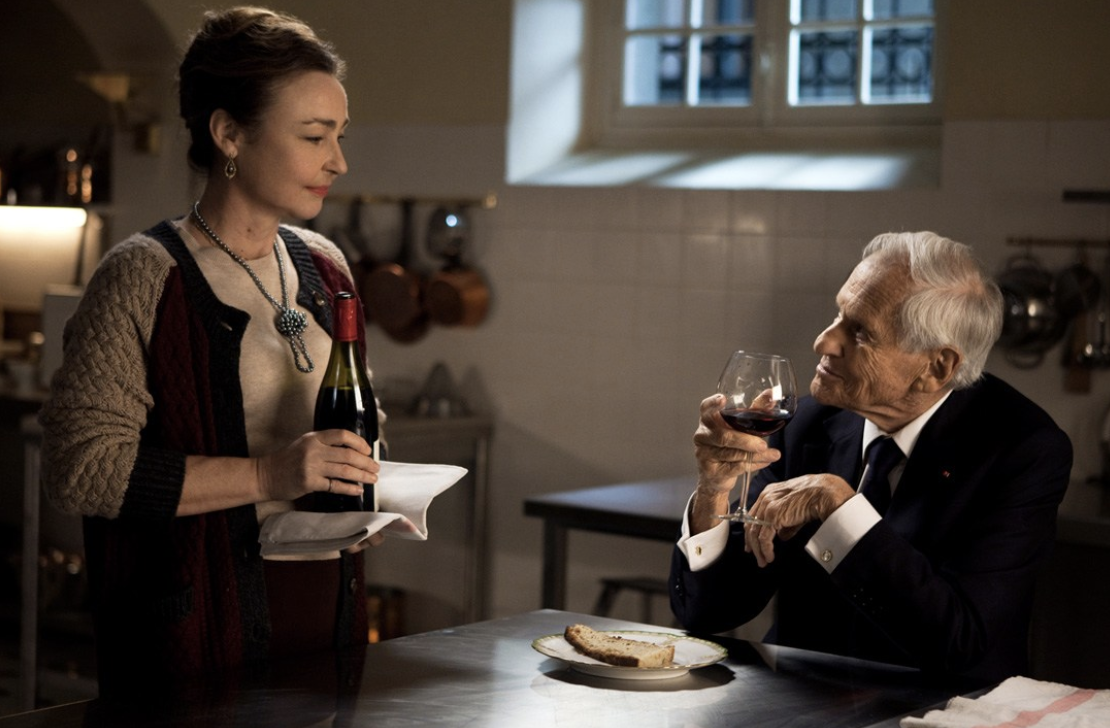
Hortense’s cooking reminded the President of his grandmother (more importantly home) and through the power of food, the social gap between both Hortense and the President was reduced to an even level, where the admiration and love of food was the unifying factor bringing these two people closer together.
The film made me think about Steinberger’s article, where Hortense can be seen as saving traditional French cuisine, by using freshly sourced and locally grown ingredients while cooking dishes specific to their origin and regional identity.
Overall, I do consider this a foodie film, due to its representation of French cuisine, however if I was offered to watch the film again I would politely decline.
2/5 Stars
 maximumflavour