
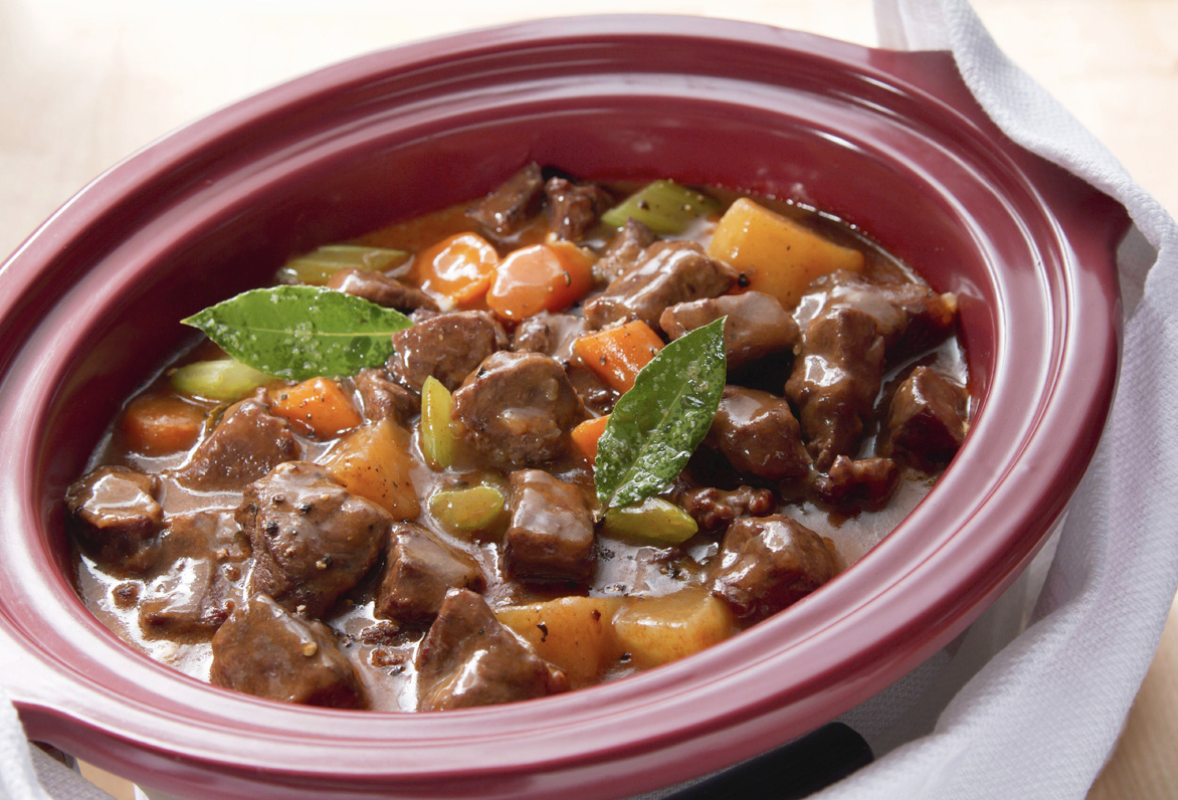
La Olla Podrida is a Spanish stew made from beans, pork and a mixture of other meats and vegetables. The term literally means ‘rotten pot’ and has traditionally been cooked in a clay pot, where it sits for several hours before it is consumed as a main meal. There is no special presentation, as it acts as a staple meal and is usually cooked in large portions. The recipe dates back to 1570, where it was published in Bartolomeo Scappi’s book Opera dell’arte del cucinare. Since then the recipe has been translated many times and has played a major role as Spain’s national cuisine.
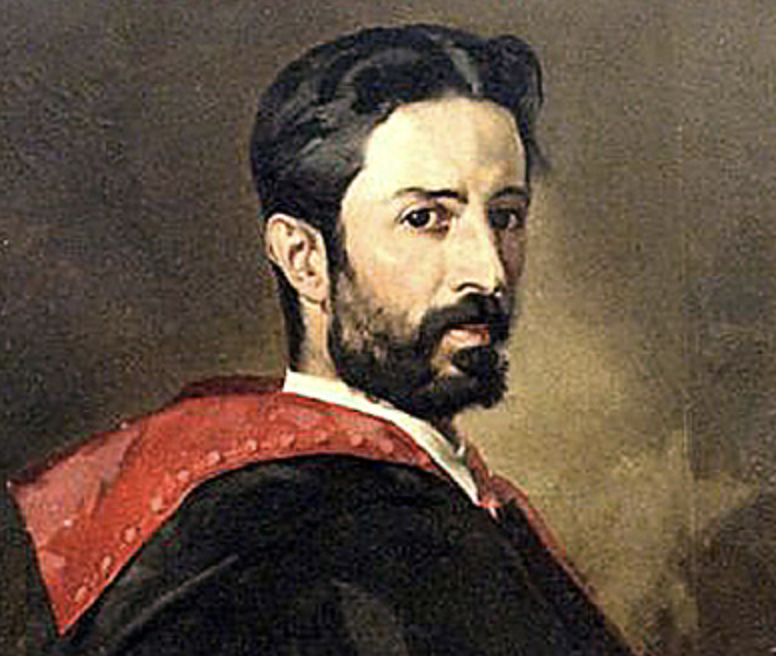
Dr. Thebussem was instrumental in creating diversity for Spain’s regional foodscapes, by creating a vision for Spain to follow in the footsteps of the French’s dominant assimilationist model of nationalism and to have pride in their regional dishes. This long process came into tuition when Dr. Thebussem suggested to adopt la olla podrida as a national dish and to present the ‘peasant stew’ at one of King Alfonso XII birthday banquets. This movement had a significant impact in Spain. Not only was the eating habits of Spain’s wealthiest influenced, but the people of Spain began to realise the importance of regional cuisines in establishing their culinary identity to the world.
Having tried Olla podrida once before, I was not aware at how significant this dish was to moulding Spain’s food culture. It was interesting to learn about the diversity of the dish and how it seemed to close the gap between the rich and the poor. Overall, I was not a fan the first time, but given the context of the dish I want to try it again.
 maximumflavour